


The Economic Perspective 8/8/2025
The Latest Trending Economic, Environmental and Infrastructure News Curated for You by The Balmoral Group
The Balmoral Group provides practical, professional and precise Economics, Data Analytics, and Engineering Consulting services and is part of a globally integrated team.
Happy Friday!
This week is Florida's AWRA Annual Meeting in Key West, and The Balmoral Group (TBG) is excited to be an annual sponsor of AWRA. TBG will be attending, along with key leadership from Army Corps, all of the Water Management Districts, DEP, FWS, NOAA, City of Key West, City of Jacksonville, and many others. Key speakers include Brett Cyphers (Sea & Shoreline), Adam Blalock (FDEP), Kim Shugar (Arrow Group), and Omar Franco (Becker Poliakoff). Stay tuned for key takeaways next week!

Additionally, The Balmoral Group - Seattle Branch volunteered yesterday at Rainier Beach Urban Farm and Wetlands, Seattle's largest urban farm! They potted and planted culturally-relevant plant starts around the greenhouses and gardens to support the diverse local community including BIPOC and LGBTQ+ groups.
This week's articles explore the new Tree Equity Score Analyzer tool in Washington State, more funding for Great Barrier Reef restoration, and the development the Disaster Block Grant program in Florida, among more! This week's data visualization covers the recent earthquake off Russia and ensuing tsunami that hit the U.S.
Please feel free to forward this to anyone you think would be interested. If you’d like to view previous editions please click here, or to subscribe please click here!
Thanks for reading and have a great weekend!


Tree Equity Score Analyzer Tool Will Identify Need for Tree Cover in WA
In partnership with American Forests, Washington State Department of Natural Resources launched a Tree Equity Score Analyzer to address urban tree cover inequities statewide. The tool utilizes tree canopy data, land use, and socio-economic factors to guide both public and private organizations’ forest maintenance strategies. In some places, a 19% reduction in tree canopy cover can result in temperatures five degrees hotter than their canopy-covered counterparts. Over 70 Washington municipalities are working together as the Washington State Tree Equity Collaborative to increase equity and access to the canopy cover benefits that annually amount to $570 million dollars in ecosystem services statewide. Read more here.

Additional Funding for Great Barrier Reef Restoration
An additional $15 million in funding towards the protection of the Great Barrier Reef has been announced by the Australian Government Department of Climate Change, Energy, the Environment and Water (DCCEEW). A larger portion of funding ($12.6 million) is for the Queensland Indigenous Land and Sea Rangers Program, which will develop and assist existing activities such as restoring habitats, shoreline cleanup, monitoring biodiversity, educating tourists, and more. The remaining funding is going towards the People and Land Connections Program to protect the long-term health of the Reef, as well as heightened precision for future Reef programs. The funding is part of a $1.2 billion investment by DCCEEW towards protection and restoration of the Reef. Read more here.
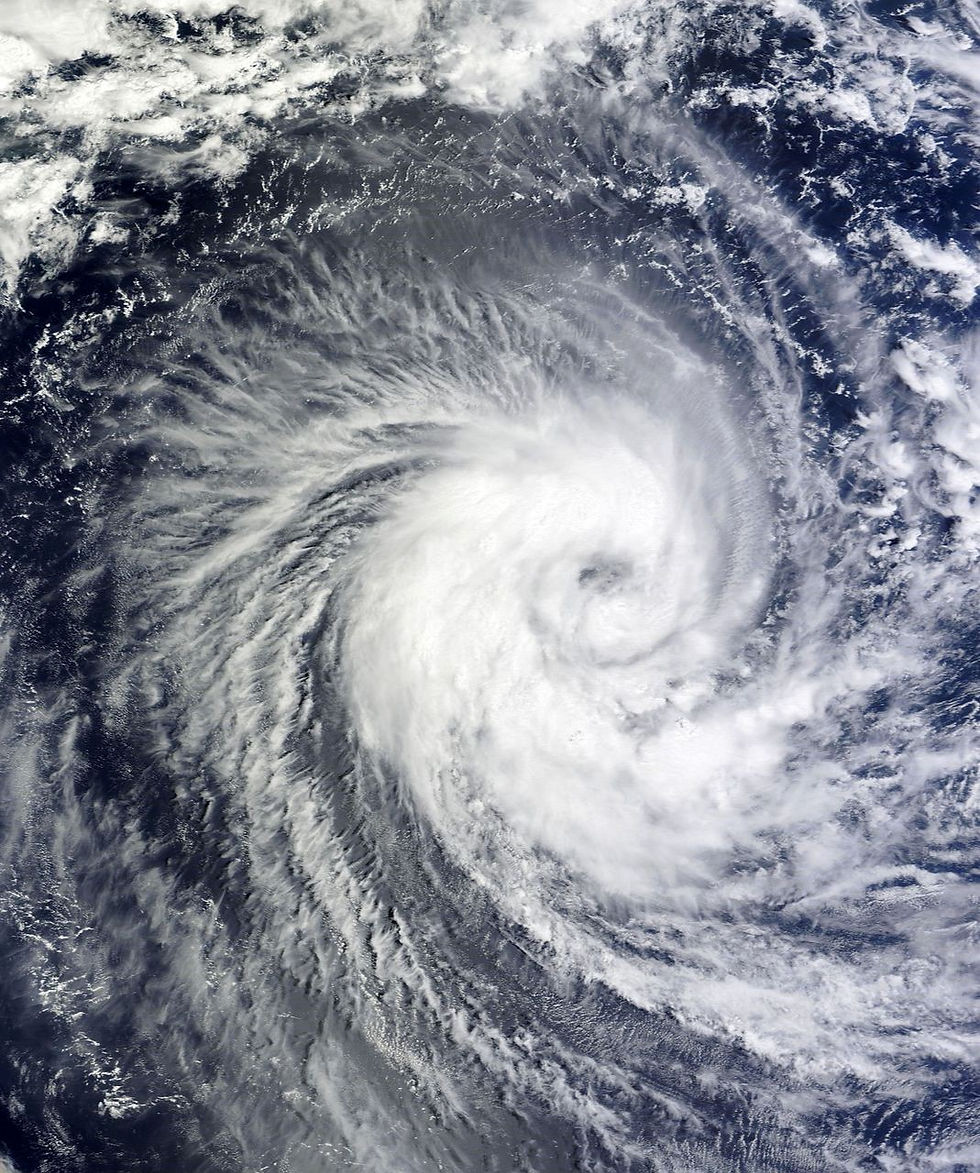
Hurricanes Prompt Centralized Information Hub for FL Disaster Grant Program
The Florida Department of Agriculture and Consumer Services (FDACS) announced a centralized webpage containing updates, eligibility information, and application details regarding their Disaster Block Grant program. The grant program was established to support agricultural producers that were impacted by hurricanes during the 2023 and 2024 seasons, and represents about 35% of the agricultural losses recorded in Florida due to the hurricanes. The $600 million in disaster relief funding allocated to the program is in addition to the $150 million that the state of Florida allocated to the Agricultural and Aquaculture Producers Natural Disaster Recovery Loan Program. FDACS must complete a work plan for the United States Department of Agriculture’s approval before the applications become available. Read more here.

FEMA Announces $1 Billion in Disaster Preparedness Funding for States
15 grant programs comprise the nearly $1 billion in funding that FEMA announced last week, with various security, emergency preparedness, and hazard reduction programs on the list. The funding opportunities list was revised by Homeland Security Secretary Kristi Noem to align with the standing National Priority Areas: protecting soft targets and crowded places, supporting Homeland Security Task Forces and fusion centers, and strengthening cybersecurity, election security, and border crisis response. This funding contributes to the $2.2 billion that FEMA has announced since July 25th that is available to state, local, tribal and other governmental organizations. Read more here.

New Partnership for Science-Based Carbon Credit Market
To ensure carbon credits have an absolute impact on reducing emissions, the Integrity Council for Voluntary Carbon Markets (ICVCM) is partnering through 2026 with the Science for High-Integrity Frameworks to Transform Carbon Markets Initiative (SHIFTCM) - a scientific group led by The Nature Conservancy (TNC) and Yale University. This partnership establishes a science-based approach, with ICVCM focusing on methodological gaps, while SHIFTCM provides insight into the most crucial challenges in the market, including leakage, reversal risk, and baselines. Clare Shakya, the Global Managing Director of Climate at TNC, expresses, “The science is clear: when designed and governed with integrity, carbon credits are a powerful tool for climate mitigation.” Read more here.
Data Visualization of the Week
6th-Largest Recorded Earthquake Sends Tsunami Wave Across the Pacific Ocean
On the evening of Tuesday the 29th, U.S. time, an 8.8-magnitude earthquake occurred just off the coast of Russia and triggered a tsunami wave that radiated across the entire Pacific Ocean. This earthquake was tied for the sixth-strongest ever recorded, although geologic records reveal much larger earthquakes before modern human history. Multiple countries immediately went under a tsunami advisory, with some areas such as Hawaii seeing a tsunami warning and encouraging people to get to high ground. The highest tsunami waves reached 5.7 feet in Hawaii, while Alaska mostly saw waves under 2 feet tall and most of the continental U.S. saw waves less than a foot tall. Only injuries were reported from direct tsunami damage. Read more here. Image sources: CNN


Comments